For most of Tamriel’s history, the Mages Guild presented itself as a noble institution devoted to magical education, responsible scholarship, and the safe regulation of arcane knowledge. Founded by Vanus Galerion during the Second Era, the Guild claimed to stand for openness and public service in contrast to the secretive Psijic Order. Across the Empire, Guild halls trained apprentices, enchanted weapons, studied ancient artifacts, and provided magical services to ordinary citizens. To many people, the Mages Guild symbolized civilization, enlightenment, and progress.
But beneath that respectable image existed a far darker reality.
Behind the walls of Guild halls and the towers of the Arcane University were hidden rivalries, dangerous experiments, political corruption, forbidden magical practices, and secret wars against necromancers operating from within the organization itself. Some of the greatest magical disasters in Tamrielic history were tied directly to the Guild’s failures, and many of its members secretly practiced the very arts the institution publicly condemned. By the late Third Era, the Mages Guild had become an organization filled with internal fractures and hidden corruption, and those secrets ultimately contributed to its destruction.
The fall of the Mages Guild was not simply the collapse of a magical institution. It was the result of decades of dangerous compromises, internal hypocrisy, and the Guild’s inability to control the forces it claimed to regulate.
The Guild’s Hidden Relationship
One of the darkest truths about the Mages Guild is that necromancy was not always forbidden within its ranks. Although the Guild later became publicly associated with anti-necromantic policies under Arch-Mage Hannibal Traven, necromancy had existed inside the organization for centuries in a tolerated and partially regulated form. In fact, many Guild members openly studied soul manipulation, corpse reanimation, and related magical disciplines long before the practice was officially banned. The Guild did not initially see necromancy as completely unacceptable. Instead, it attempted to control and limit its use while still benefiting from the knowledge it provided.
This contradiction went back to the Guild’s earliest history. Vanus Galerion, the founder of the Mages Guild, strongly opposed Mannimarco and feared the spread of soul-trapping magic. However, even Galerion eventually realized that soul magic had become too widespread to eliminate entirely. Rather than banning it outright, the Guild systematized and regulated the practice, teaching controlled forms of soul trapping only to trusted and experienced mages.
That decision created a dangerous precedent.
The Guild publicly condemned reckless necromancy while simultaneously preserving and teaching portions of it internally. This blurred moral boundary allowed many mages to justify increasingly questionable magical research. Over time, some members began viewing necromancy not as forbidden magic, but simply as another academic field unfairly stigmatized by society. By the late Third Era, necromancers had become deeply embedded within the Guild itself, including among its higher-ranking members.
The situation grew even worse when Hannibal Traven became Arch-Mage in 3E 431. Traven was a staunch opponent of necromancy and implemented sweeping reforms that completely banned the practice within the Guild. His policies were immediately controversial and caused severe internal division. Half of the Council of Mages reportedly resigned in protest, and many experienced members either left voluntarily or were forced out.
What makes this situation particularly disturbing is how deeply necromancy had already infected the Guild before the ban occurred. The Guild had spent decades pretending it could safely regulate dangerous magical practices while underestimating how many of its own members had become sympathetic to darker forms of magic. When Traven outlawed necromancy, countless disillusioned mages defected directly to Mannimarco and the Order of the Black Worm.
In many ways, the Guild itself helped create the necromantic crisis that nearly destroyed it.
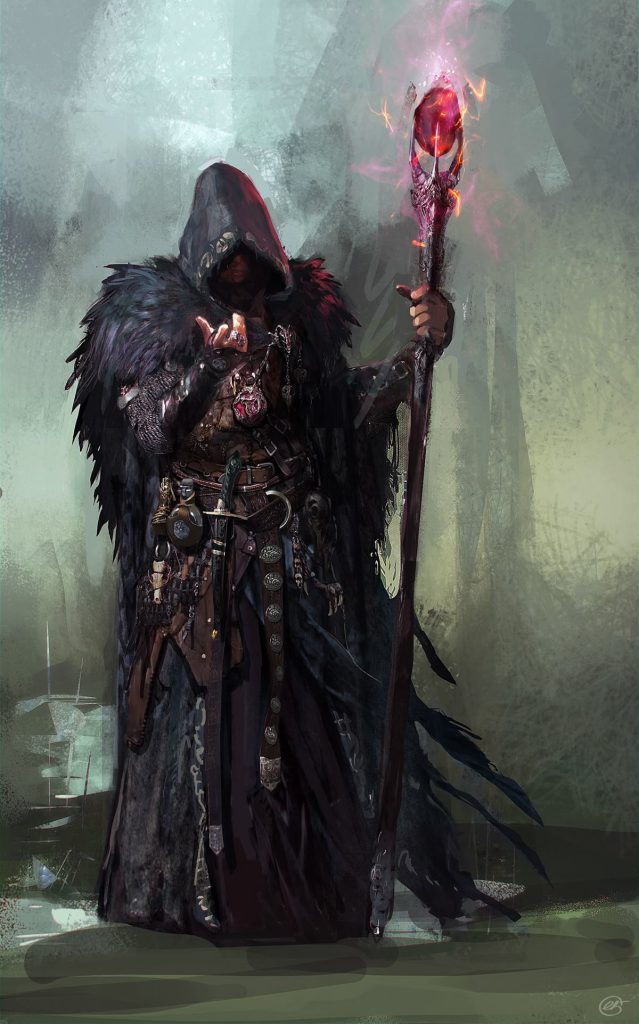
Mannimarco’s infiltration of the Mages Guild represents perhaps the single greatest hidden failure in the institution’s history. Known as the King of Worms, Mannimarco was one of the most powerful necromancers to ever exist. Originally associated with the Psijic Order alongside Vanus Galerion, Mannimarco eventually embraced necromancy completely and became the founder of the Order of the Black Worm. For centuries, he operated as the Guild’s greatest enemy. Yet despite this long history, the Mages Guild repeatedly underestimated his influence.
By the events of Oblivion, Mannimarco had successfully infiltrated the Guild at multiple levels. Agents and sympathizers existed inside Guild halls across Cyrodiil, and some members secretly served the Worm Cult while maintaining respectable positions within the organization. The Guild leadership did not fully understand how extensive this corruption had become until it was already too late.
The Bruma Guildhall was eventually destroyed by necromancers loyal to Mannimarco, and attacks against Guild members became increasingly common. Yet these open assaults were only the visible surface of a much larger problem. Mannimarco had spent years recruiting dissatisfied Guild mages and exploiting the organization’s internal divisions. The Guild’s own ideological conflicts gave him the perfect opportunity to weaken it from within.
What makes this even darker is the possibility that the Guild unknowingly trained many of the necromancers who later joined the Worm Cult. Apprentices learned magical fundamentals inside Guild halls before eventually turning toward forbidden practices. The institution intended to regulate magical knowledge had instead become a breeding ground for rogue sorcerers and cultists.
Dangerous Artifacts and Forbidden Magical Research
Another deeply troubling aspect of the Mages Guild was its obsession with dangerous magical artifacts and forbidden knowledge. Publicly, the Guild claimed to protect Tamriel from unstable magical forces. In reality, many of its members actively sought out these powers for research, prestige, or personal ambition.
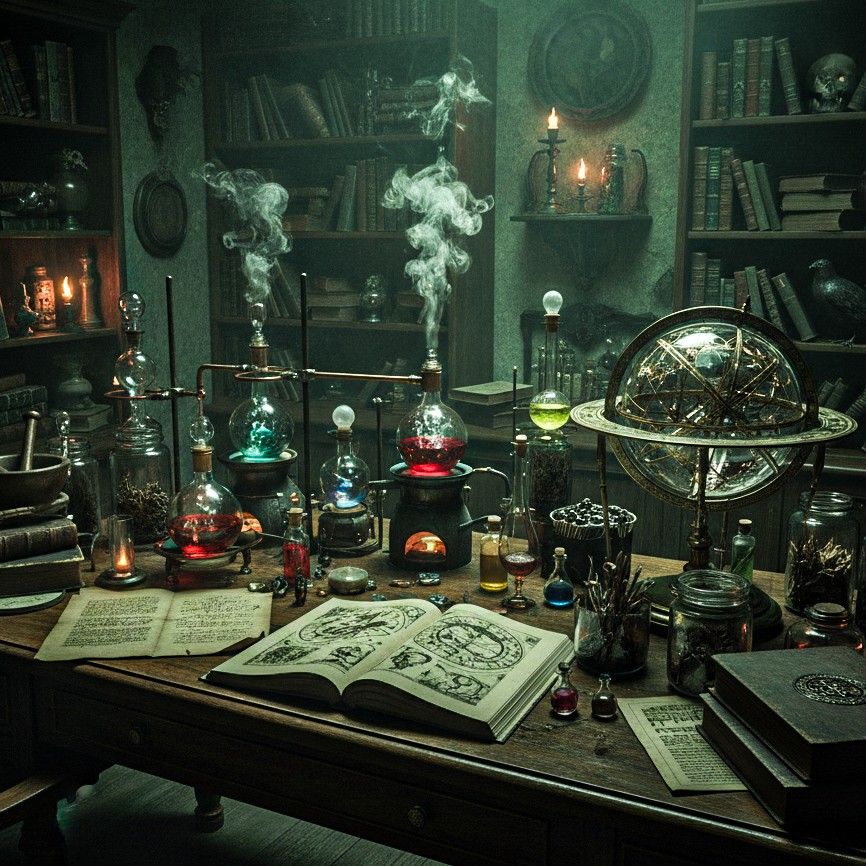
The Arcane University in the Imperial City became the center of some of the most dangerous magical experimentation in Tamriel. Scholars investigated Daedric artifacts, soul gems, Ayleid relics, and other unstable magical objects that could threaten entire regions if mishandled. The Guild often justified this research by claiming that dangerous magic needed to be understood in order to be controlled. However, this philosophy frequently placed ambitious mages in direct contact with powers far beyond their understanding.
One of the clearest examples of this dangerous mindset appears in the Guild’s relationship with Black Soul Gems. These corrupted soul gems allowed necromancers to trap the souls of sentient beings, bypassing normal magical restrictions. Mannimarco himself is closely associated with their creation and spread throughout Tamriel. Despite the horrific ethical implications of these artifacts, the Guild studied them extensively and attempted to understand their mechanics rather than simply destroying them.
This pattern repeated itself constantly throughout the Guild’s history. Rather than rejecting dangerous knowledge entirely, the organization repeatedly attempted to contain and regulate it. But magical power in Elder Scrolls lore is rarely neutral. Forbidden magic tends to corrupt those who seek to master it, and many Guild mages gradually became consumed by the very forces they studied.
The Guild’s hypocrisy extended beyond necromancy and artifact research. Political corruption and internal power struggles also plagued the institution. Although the Guild portrayed itself as a meritocratic organization dedicated to scholarship, advancement was often influenced by personal rivalries, factional politics, and ideological disputes.
Guild halls frequently operated with significant independence, leading to inconsistent standards and hidden conflicts between local leaders. Some halls tolerated practices that others condemned, while powerful mages competed for influence within the Arcane University and the Council of Mages. Even before the necromancy crisis, tensions between conservative and radical magical philosophies had begun fragmenting the organization internally.
Hannibal Traven’s rise to power only intensified these divisions. His reforms were intended to restore moral authority to the Guild, but instead they accelerated internal collapse. Many members viewed his anti-necromancy policies as authoritarian overreach rather than necessary reform. Others believed the Guild had become too politically connected to the Empire and was abandoning true magical scholarship in favor of public approval. These ideological conflicts reveal one of the Guild’s deepest secrets: it was never truly unified.
Behind its public image as a continent-wide institution devoted to magical progress, the Guild was filled with competing visions of what magic should be. Some members believed magic should serve society responsibly. Others viewed magical knowledge as something that should remain unrestricted regardless of moral consequences. Still others pursued magical power primarily for personal ambition.
By the late Third Era, these competing ideologies had become impossible to reconcile.
The Guild also developed a troubling relationship with secrecy and information control. Although Vanus Galerion founded the organization as a more open alternative to the Psijic Order, the Guild gradually became increasingly secretive over time. Dangerous magical research was often hidden from the public, and some forms of knowledge were restricted even within the organization itself.
This secrecy created an atmosphere of paranoia and mistrust. Apprentices and lower-ranking members rarely understood the full extent of the Guild’s activities, while senior mages hoarded knowledge and magical discoveries for themselves. In some cases, powerful spells or artifacts disappeared into private collections rather than being studied openly.
Ironically, the Guild slowly began resembling the very organizations it originally opposed.
The Psijic Order isolated itself from Tamriel because it believed magical knowledge was too dangerous for widespread use. The Mages Guild rejected this philosophy and claimed magic should benefit all people. Yet as the Guild encountered increasingly dangerous magical forces, it too began restricting information, concealing research, and limiting access to forbidden knowledge.
This transformation exposed a fundamental flaw in the Guild’s ideals. The organization wanted to democratize magical education while simultaneously controlling dangerous knowledge that could destabilize society. Those goals eventually became incompatible.
The Oblivion Crisis and the Fall of the Mages Guild
The Oblivion Crisis finally exposed just how fragile the Guild had become.
During the Daedric invasion of Tamriel, public fear of magic intensified dramatically. Daedric cults, conjurers, necromancers, and rogue sorcerers all became associated with the chaos consuming the Empire. Even though the Mages Guild fought against these threats, many ordinary citizens no longer trusted magical institutions. The distinction between responsible magical scholarship and catastrophic magical abuse began to disappear in the public imagination.
The Guild entered this crisis already weakened by internal division, corruption, and its ongoing war with Mannimarco. It lacked the unity and authority necessary to survive the political collapse that followed. After the Oblivion Crisis, anti-magic sentiment spread across Tamriel, and the Guild gradually disintegrated. Eventually, it fractured into smaller successor factions such as the Synod and the College of Whispers.
The tragedy of the Mages Guild is that many of its ideals were genuinely noble. It sought to educate mages, regulate dangerous magic, and make magical knowledge accessible beyond isolated elites. But the organization consistently underestimated the corrupting influence of power. It believed dangerous magic could always be controlled by responsible scholars, yet history repeatedly proved otherwise.
Necromancers emerged from within the Guild itself. Dangerous artifacts were studied in secret laboratories. Political rivalries undermined unity. Powerful mages concealed knowledge from one another while publicly claiming to promote enlightenment and cooperation.
Ultimately, the darkest secret of the Mages Guild was not any single forbidden spell or hidden conspiracy. It was the realization that the institution never truly controlled the forces it claimed to regulate.
Instead, those forces slowly consumed it from within.